
Masonry Tuckpointing Services for Homeowners
Bi-State Masonry provides professional residential tuckpointing services for homeowners throughout the Quad Cities and surrounding areas. Tuckpointing restores the mortar joints between bricks, preserving your home's structural integrity and appearance. With over 26 years of experience in commercial and residential masonry, we bring skilled craftsmanship to every tuckpointing project. Whether your home has a few areas of deteriorating mortar or requires extensive repointing across multiple walls, our masons have the expertise to restore your masonry to sound condition. We serve homeowners across Davenport, Moline, Rock Island, Bettendorf, and communities within 50 miles of the Quad Cities in both Iowa and Illinois.
What Is Tuckpointing?
Tuckpointing is the process of removing deteriorated mortar from between bricks and replacing it with fresh mortar. You may also hear this called repointing or pointing—these terms are often used interchangeably, though there are technical distinctions in the masonry trade. For homeowners, the important thing to understand is that tuckpointing restores the mortar joints that hold your brick walls together and keep water out.
Mortar is designed to be the sacrificial element in a masonry wall. It absorbs stress from building movement and moisture infiltration, protecting the more expensive and harder-to-replace bricks. Over time, mortar naturally deteriorates—it cracks, crumbles, and recedes from the joint. This is normal and expected, especially in climates like ours in the Quad Cities. When mortar fails, tuckpointing restores the wall's weatherproofing and structural stability without the need to replace the bricks themselves.

Signs Your Home Needs Tuckpointing
Many homeowners do not realize their mortar joints need attention until damage becomes severe. The Quad Cities climate accelerates mortar deterioration—our harsh winters and humid summers create ideal conditions for freeze-thaw damage. Water penetrates small cracks, freezes and expands, then thaws, gradually widening those cracks each season. Inspecting your home's masonry periodically can help you catch problems early, before they lead to more extensive and costly repairs.
Common signs that your home needs tuckpointing include:
- Crumbling, cracking, or receding mortar between bricks
- Gaps or voids where mortar has fallen out completely
- White staining on brick surfaces (efflorescence), indicating moisture movement
- Water leaks or moisture problems in basement or interior walls
- Sand or powdery residue collecting at the base of walls
- Mortar that feels soft or can be easily scraped out with a key or screwdriver
- Bricks that appear loose or have shifted position
If you notice any of these warning signs, we recommend scheduling an inspection. Addressing mortar deterioration early prevents water from penetrating the wall structure, which can lead to damaged bricks, interior water damage, and in severe cases, structural instability.

Our Residential Tuckpointing Process
Bi-State Masonry approaches every tuckpointing project with the same professional standards we apply to our commercial work. Proper tuckpointing requires more than simply filling cracks with new mortar—it demands careful preparation, appropriate materials, and skilled application. Our process ensures lasting results that protect your home for years to come.
Our tuckpointing process includes:
- Thorough inspection to assess the extent of mortar deterioration
- Careful removal of deteriorated mortar to the appropriate depth (typically 3/4 inch or more)
- Cleaning of joints to remove debris and ensure proper mortar adhesion
- Matching mortar color and composition to your existing masonry
- Application of new mortar in proper layers, allowing appropriate cure time
- Tooling joints to the correct profile for water shedding and aesthetic match
Each step matters. Removing mortar too shallow results in a thin layer that will fail prematurely. Using the wrong mortar composition can damage older or softer bricks. Improper tooling can trap water rather than shed it. Our experienced masons understand these requirements and deliver tuckpointing work that performs as well as it looks.
Mortar Matching
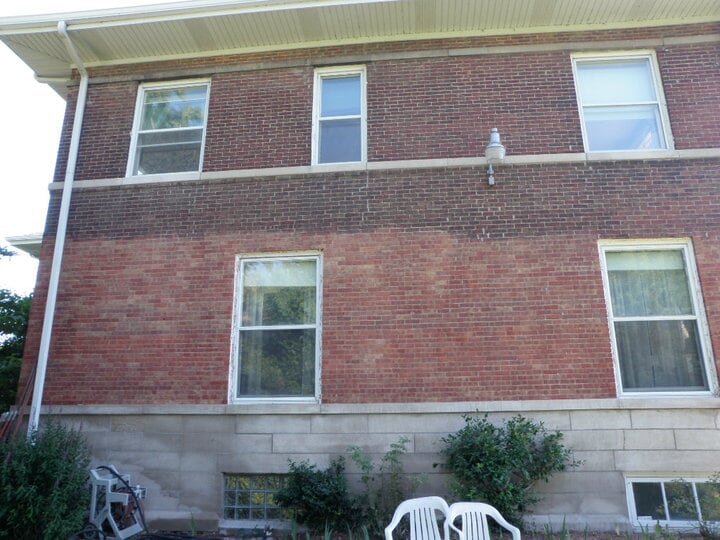
Matching mortar to your existing masonry involves more than selecting a similar color. The mortar composition must also be appropriate for your bricks. Modern portland cement mortars are harder than the lime-based mortars used in older homes. Applying a mortar that is too hard for the brick can cause the brick faces to spall and crack as the wall moves and settles over time.
We assess your existing mortar and brick to determine the appropriate replacement mortar. For older homes, this may mean using a softer lime-based mortar or a modified mix. We also match mortar color as closely as possible, though perfect matches can be difficult to achieve until the new mortar has fully cured and weathered. Our goal is tuckpointing work that blends with your existing masonry while providing long-lasting protection.
Where We Tuckpoint
Mortar deterioration can occur anywhere on your home's exterior masonry. We provide residential tuckpointing services for all brick and stone surfaces, addressing problems wherever they occur.
- Exterior walls and facades
- Chimneys (see our Chimney Restoration services)
- Foundation walls above and below grade
- Window and door surrounds
- Garage walls and outbuildings
- Brick steps and porches
- Retaining walls
- Garden walls and planters
Different areas of your home experience different levels of exposure. Chimneys, parapets, and other areas above the roofline typically deteriorate faster due to increased weather exposure. Foundation walls may experience moisture issues from ground contact. We assess each area and address the specific conditions affecting your masonry.
Why Choose Bi-State Masonry for Residential Tuckpointing
Bi-State Masonry brings over 26 years of masonry experience to residential tuckpointing projects. While much of our work involves commercial projects throughout the Midwest, we apply the same professional standards and attention to detail to every residential job. Homeowners benefit from working with a contractor that has the capabilities and experience of a commercial operation, combined with the attentive service of a local company.
- Over 26 years of masonry experience
- Competitive local rates—lower overhead means savings for homeowners
- Skilled workforce developed through merit-based advancement
- Attention to mortar matching and detail work
- Service throughout the Quad Cities and within 50 miles
- Free estimates for all residential work
Our structure allows us to offer competitive pricing without sacrificing quality. We maintain lower overhead than many competitors, and we invest in our workforce through a merit-based pay system that attracts and retains skilled masons. This means better value for homeowners—professional results at reasonable rates.
We serve homeowners throughout the Quad Cities region, including Davenport, Bettendorf, Moline, East Moline, Rock Island, and surrounding communities in Iowa and Illinois. If your home is within 50 miles of the Quad Cities and your masonry needs attention, Bi-State Masonry can help.

Frequently Asked Questions
What is the difference between tuckpointing and repointing?
The terms are often used interchangeably. Technically, repointing refers to removing and replacing deteriorated mortar, while tuckpointing is a specific technique that involves applying two contrasting colors of mortar to create the appearance of fine joints. In common usage, most people use tuckpointing to describe any mortar joint repair work, and we understand what homeowners mean when they use either term.
How do I know if my home needs tuckpointing?
Look for crumbling or cracked mortar, gaps between bricks, white staining on the brick surface, or mortar that feels soft and powdery. If you can easily scrape out mortar with a key or see sand collecting at the base of your walls, your mortar joints likely need attention. When in doubt, contact us for a free inspection.
How long does tuckpointing last?
Properly done tuckpointing typically lasts 25 to 30 years, depending on exposure and climate conditions. Areas with more severe weather exposure, like chimneys, may require attention sooner. The quality of the original work matters significantly—proper mortar removal depth, appropriate mortar composition, and correct application all contribute to longevity.
Can you match my existing mortar color?
We make every effort to match existing mortar color as closely as possible. Perfect matches can be difficult because mortar color changes as it cures and weathers. New tuckpointing may appear slightly different initially but will blend better over time. We also match mortar composition to ensure compatibility with your existing brick.
What areas do you serve for residential tuckpointing?
We serve homeowners throughout the Quad Cities and within a 50-mile radius, including Davenport, Bettendorf, Moline, East Moline, Rock Island, and surrounding communities in Iowa and Illinois.
Schedule Your Free Tuckpointing Estimate
If you have noticed signs of mortar deterioration on your home, or if your masonry has not been inspected in several years, contact Bi-State Masonry to schedule a free estimate. We will assess the condition of your mortar joints, identify problem areas, and provide a clear recommendation for repair. Our estimates are thorough and our recommendations are honest—we focus on the work your home actually needs.
Contact us today to discuss your residential tuckpointing project. We look forward to helping you protect your home with quality masonry craftsmanship.