
Protecting Commercial Buildings from Water and Air Infiltration
Joint sealants are a critical but often overlooked component of commercial building envelope systems. When properly installed and maintained, caulking and sealants prevent water infiltration, reduce air leakage, and protect structural elements from moisture damage. At Bi-State Masonry, we provide comprehensive caulking and sealant services for commercial buildings throughout the Iowa-Illinois corridor, from Des Moines through the Quad Cities to the greater Chicago area.
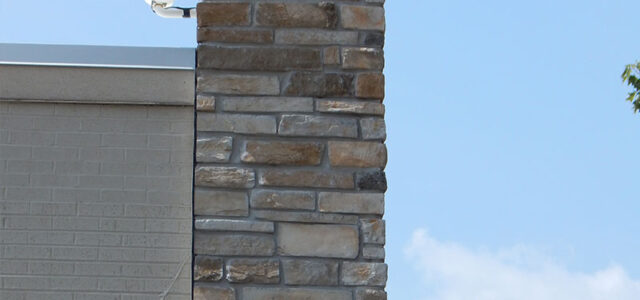
With more than 26 years of experience in commercial masonry and building envelope work, our team understands the critical role that joint sealants play in building performance. We work with architects, general contractors, property managers, and building owners to specify, install, and replace sealant systems that meet the demanding requirements of commercial construction. Whether you need sealant installation on new construction or comprehensive joint replacement on an aging building, Bi-State Masonry delivers quality workmanship that protects your investment.
Types of Joints We Seal
Commercial buildings contain numerous joints that require proper sealing to maintain building envelope integrity. Each joint type presents unique challenges related to movement capacity, substrate compatibility, and exposure conditions. Our crews are experienced with all common joint configurations found in commercial construction.
Control Joints
Control joints are intentionally placed in masonry and concrete walls to accommodate shrinkage and minor structural movement. These joints prevent random cracking by providing predetermined locations where movement can occur. Proper sealing of control joints is essential to maintain the water-resistant barrier while allowing the joint to function as designed.
Expansion Joints
Expansion joints accommodate larger building movements caused by thermal expansion and contraction, structural deflection, and differential settlement. These joints require sealants with high movement capability and must be properly sized and detailed to handle anticipated movement ranges. We work with project specifications to ensure expansion joint sealants meet required performance criteria.
Window and Door Perimeters
The interface between window or door frames and surrounding wall construction is a common source of water and air leakage in commercial buildings. Perimeter sealant must bond effectively to dissimilar materials—typically metal or vinyl frames against masonry, concrete, or metal panel substrates—while accommodating differential movement between components.
Additional Joint Locations
Beyond the primary joint types, commercial buildings require sealing at numerous other locations:
- Through-wall penetrations
- Mechanical and electrical openings
- Metal panel joints
- Precast concrete panel joints
- Curtain wall systems
- Coping and cap flashing joints
- Storefront framing
- Masonry-to-dissimilar material transitions
Sealant Systems and Materials
Selecting the appropriate sealant for each application is critical to long-term performance. Different joint conditions require different sealant chemistries, and using the wrong product can lead to premature failure. Our team is knowledgeable about sealant specifications and can help ensure the right products are selected for your project.
Common Sealant Types
- Polyurethane Sealants: Excellent adhesion and durability for many masonry and concrete applications. Available in single and multi-component formulations with varying movement capabilities.
- Silicone Sealants: Superior flexibility and UV resistance. Ideal for applications requiring high movement capacity or exposure to extreme weather conditions.
- Hybrid Sealants: Combine properties of multiple sealant chemistries to provide balanced performance across adhesion, movement, and durability requirements.
- Polysulfide Sealants: Chemical-resistant formulations used in specialized applications including fuel and solvent exposure areas.
We work with quality sealant products from major manufacturers and follow manufacturer specifications for surface preparation, primer application, and installation procedures. Proper installation technique is as important as product selection in achieving long-term sealant performance.
New Construction Sealant Installation
On new construction projects, proper joint sealant installation is essential to achieving a weather-tight building envelope from day one. We coordinate with general contractors and other trades to ensure joints are properly prepared and sealants are installed at the appropriate stage of construction.
New construction caulking requires careful attention to joint design, substrate preparation, and installation timing. Joints must be clean, dry, and properly sized before sealant application. Backer rod installation, primer application where required, and proper tooling technique all contribute to achieving a quality seal that will perform for years.
New Construction Services Include
- Joint layout review and coordination
- Substrate inspection and preparation
- Backer rod installation
- Primer application as specified
- Sealant installation and tooling
- Quality control inspection
Our experience with commercial new masonry construction means we understand how sealant work integrates with overall project sequencing. We coordinate effectively with project teams to complete our work efficiently without causing delays to other trades.
Sealant Replacement and Rehabilitation
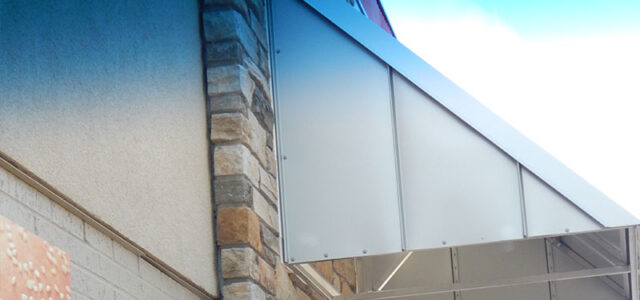
Even quality sealants have a finite service life. Exposure to UV radiation, temperature cycling, building movement, and environmental pollutants gradually degrades sealant materials. Most commercial building sealants require replacement every 10 to 20 years, depending on exposure conditions and product quality.
Signs that building sealants need replacement include visible cracking, hardening, loss of adhesion, and separation from substrates. Failed sealants allow water infiltration that can damage interior finishes, promote mold growth, corrode structural elements, and reduce energy efficiency through air leakage.
Our Sealant Replacement Process
Comprehensive sealant replacement involves more than simply applying new material over old. Our process includes:
- Condition Assessment: Evaluation of existing sealant condition and identification of failure modes to inform replacement specifications.
- Complete Removal: Thorough removal of failed sealant and backer rod materials. Partial removal leads to premature failure of replacement sealants.
- Substrate Preparation: Cleaning and preparation of joint surfaces to ensure proper adhesion of new sealant materials.
- Backer Rod Installation: Installation of new backer rod at proper depth to establish correct joint geometry.
- Primer Application: Application of primer where required by sealant specifications or substrate conditions.
- Sealant Installation: Professional installation and tooling of new sealant material.
Sealant replacement is often performed as part of broader building envelope rehabilitation projects. We coordinate caulking work with our masonry restoration, tuckpointing, and waterproofing services to address multiple building envelope issues efficiently.
Benefits of Professional Caulking Services
Investing in quality caulking and sealant services delivers measurable benefits for commercial building owners and managers:
Water Infiltration Prevention
Water intrusion through failed joints causes extensive damage to commercial buildings. Moisture can deteriorate interior finishes, damage insulation, promote mold and mildew growth, and corrode structural steel. Professional sealant installation and timely replacement prevents these costly problems.
Energy Efficiency
Air leakage through joints and penetrations significantly impacts building energy consumption. Properly sealed joints reduce uncontrolled air infiltration, lowering heating and cooling costs while improving occupant comfort. Studies indicate that air sealing improvements can reduce commercial building energy costs by 10 to 30 percent.
Extended Building Life
By preventing water and air infiltration, quality sealant systems protect building components from premature deterioration. This protection extends the service life of masonry, concrete, steel, and other building materials, reducing long-term maintenance and replacement costs.
Improved Indoor Environment
Effective air sealing helps maintain consistent interior conditions and prevents moisture problems that contribute to poor indoor air quality. Building occupants benefit from improved comfort and healthier indoor environments.
Commercial Sectors We Serve
Bi-State Masonry provides caulking and sealant services for commercial buildings across all sectors:
- Office buildings and corporate campuses
- Schools and universities
- Healthcare facilities
- Government and municipal buildings
- Retail and mixed-use developments
- Warehouses and distribution centers
- Manufacturing and industrial facilities
- Religious institutions
Our commercial service area extends from Des Moines through the Quad Cities to the greater Chicago area. We have the workforce capacity and equipment to handle projects ranging from single-building maintenance to large multi-structure developments.
Frequently Asked Questions
How often should commercial building sealants be replaced?
Most commercial building sealants have a service life of 10 to 20 years, depending on sealant quality, exposure conditions, and building movement. We recommend periodic inspection of building sealants and budgeting for replacement before failures occur. Proactive replacement is more cost-effective than repairing water damage from failed sealants.
What causes sealant failure?
Common causes of sealant failure include UV degradation, excessive building movement beyond the sealant's capacity, improper joint design or sizing, inadequate surface preparation, incompatible substrates, and simple age-related deterioration. Identifying the cause of failure helps ensure replacement sealants perform as expected.
Can you match existing sealant colors?
Yes. Commercial sealants are available in a wide range of standard colors, and custom color matching is possible for most sealant types. We work with manufacturers to match existing building aesthetics when performing sealant replacement on existing structures.
Do you provide sealant condition assessments?
Yes. We offer building envelope assessments that evaluate sealant condition along with other masonry and building envelope components. These assessments help building owners understand current conditions and plan for maintenance and replacement needs.
What is your commercial service area?
Our commercial caulking and sealant services cover the Iowa-Illinois corridor from Des Moines through the Quad Cities to the greater Chicago area. We serve the Quad Cities core including Davenport, Bettendorf, Moline, East Moline, and Rock Island, as well as surrounding communities throughout the region.
Do you coordinate caulking with other building envelope services?
Absolutely. Caulking and sealant work is often performed as part of comprehensive building envelope rehabilitation. We coordinate our caulking services with tuckpointing, masonry restoration, waterproofing, and other building envelope repairs to address multiple issues efficiently in a single mobilization.
Request a Commercial Caulking Estimate
Whether you need sealant installation on a new construction project or comprehensive joint replacement on an existing building, Bi-State Masonry has the expertise to deliver quality results. Our experienced crews understand the importance of proper joint sealing in maintaining building envelope integrity and protecting your investment.
Contact us today to discuss your commercial caulking and sealant needs. We provide free estimates for all commercial projects throughout the Iowa-Illinois region.
Call us at (309) 786-8800 or visit our East Moline office to schedule a consultation. We look forward to helping protect your building.