
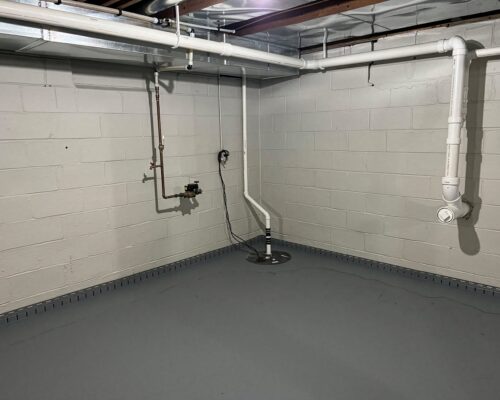
A damp basement is more than an inconvenience—it’s a warning sign that water is finding its way into your home’s foundation. Catching these signs early can save thousands of dollars in repairs and protect your family’s health. Here’s what Quad Cities homeowners should look for and why acting quickly matters.
Quick Reference: 10 Warning Signs
- Standing water or puddles on basement floor
- Damp walls and floors that feel moist to the touch
- Water stains or discoloration on walls
- Efflorescence (white, powdery deposits) on masonry
- Cracks in walls or floors
- Musty odors indicating hidden moisture
- Visible mold or mildew growth
- Peeling paint or bubbling wall coatings
- Rust on stored metal items
- Increased insects (centipedes, silverfish, pill bugs)
If you notice any of these signs, professional waterproofing assessment is recommended.
Why Basement Water Problems Shouldn’t Be Ignored
Many homeowners dismiss minor basement dampness as normal, especially in older homes. But water that enters your basement doesn’t just sit there—it actively damages your home. Moisture weakens foundation walls, creates conditions for mold growth, and can eventually compromise your home’s structural integrity. What starts as occasional dampness after heavy rain can progress to serious foundation damage if left unaddressed.
In the Quad Cities region, our climate makes basements particularly vulnerable. The freeze-thaw cycles of Iowa and Illinois winters cause concrete and block foundations to expand and contract, gradually opening pathways for water entry. Our proximity to the Mississippi River means many areas have high water tables that put constant pressure on foundation walls. These local factors make it especially important for homeowners in Davenport, Bettendorf, Moline, Rock Island, and surrounding communities to recognize water problems early.
Visible Signs of Basement Water Infiltration
1. Standing Water or Puddles
The most obvious sign of a waterproofing problem is water you can see. Standing water on your basement floor after rainstorms clearly indicates that water is entering faster than it can evaporate or drain. But don’t wait for puddles to form—even small amounts of water appearing in corners, along wall-floor joints, or near the base of walls signal active infiltration that will likely worsen over time.
Pay attention to when water appears. Does it show up only after heavy rain? During spring snowmelt? Or does it seem unconnected to weather events? Water that appears regardless of recent rainfall often indicates groundwater pressure—a more persistent problem that requires different solutions than surface water infiltration.
2. Damp Walls and Floors
Sometimes water doesn’t pool visibly but instead keeps surfaces perpetually damp. Run your hand along basement walls, particularly in corners and along the floor line. If the concrete or block feels cool and moist even during dry weather, water is migrating through the wall. This dampness accelerates deterioration and creates humidity problems even without visible standing water.
Damp concrete floors present similar concerns. If your basement floor feels clammy, leaves footprints, or causes stored cardboard boxes to become soggy at the bottom, moisture is coming up through the slab or migrating in along the floor-wall joint.
3. Water Stains and Discoloration
Water leaves evidence of its path. Look for tide marks—horizontal lines on walls that show where water levels have risen and fallen. Rust-colored staining often indicates that water has been in contact with metal, whether from reinforcing steel within the concrete, old pipes, or metal objects stored against walls.
Dark streaking running down walls traces the path water has taken as it seeps through cracks or porous areas. These stains may be most visible in the corners of your basement or below windows and pipe penetrations where water commonly enters.
Warning Signs in the Masonry Itself
4. Efflorescence on Basement Walls
One of the most reliable indicators of water movement through masonry is efflorescence—white, chalky, or crystalline deposits that appear on concrete, block, or brick surfaces. This isn’t mold or paint failure. Efflorescence forms when water passes through masonry, dissolves mineral salts within the material, then evaporates at the surface, leaving those salts behind.
If you see efflorescence on your basement walls, water has definitively been moving through the masonry. The deposits themselves aren’t harmful, but they confirm an ongoing moisture problem. The more efflorescence you see, the more water has been passing through. Heavy buildup indicates a significant and long-standing issue that needs professional attention.
5. Cracks in Foundation Walls and Floors
Not all cracks indicate water problems, but many do—and nearly all cracks can become water entry points if they aren’t already. Understanding what different cracks mean helps you assess urgency.
Vertical cracks in poured concrete walls often result from normal foundation settling and may be relatively straightforward to repair with crack injection. However, vertical cracks that are wider at the top than the bottom, or that continue to grow, may indicate ongoing settlement that needs evaluation.
Horizontal cracks in block walls are more concerning. These often indicate that soil pressure is pushing against the wall, causing it to bow inward. Water frequently enters through these cracks, and the underlying pressure problem needs attention beyond simple crack sealing. If you notice horizontal cracking accompanied by wall movement, contact a professional promptly.
Stair-step cracks that follow mortar joints in block or brick foundations also indicate structural movement and often allow water entry at multiple points along the crack pattern.
Floor cracks can allow water and water vapor to rise through the slab. Cracks near floor drains or sump pits may indicate that the drainage system is overwhelmed or failing.
For foundations showing significant cracking, professional foundation repair may be needed before waterproofing can be effective.
Spalling and Deteriorating Masonry Surfaces
Spalling occurs when the surface of concrete or masonry flakes, chips, or peels away. In basements, this often results from water entering the masonry, freezing, and expanding—a process that breaks apart the material from within. If you notice areas where your basement walls are losing their surface layer, creating rough patches or exposing aggregate beneath, water damage is actively occurring.
Deteriorated mortar joints between blocks or bricks also indicate water damage. Soft, crumbling, or missing mortar allows even more water to enter, accelerating the deterioration cycle. Tuckpointing—repairing these damaged mortar joints—is often necessary before waterproofing treatments can work effectively.
Signs You Can Smell and Feel
6. Musty Basement Odors
That characteristic basement smell—earthy, stale, musty—isn’t inevitable. It indicates elevated humidity and likely mold or mildew growth. Even if you can’t see mold, that smell confirms that moisture levels are too high for a healthy environment.
Musty odors often become more noticeable when you first enter the basement or when the space has been closed up. If visitors comment on a smell that you’ve become accustomed to, take their observation seriously. Your nose may have adjusted to conditions that are genuinely problematic.
High Humidity and Condensation
Basement humidity should typically stay below 60 percent to prevent mold growth. If your basement feels noticeably more humid than the rest of your home, or if condensation forms on cold water pipes, windows, or walls during summer, moisture is entering the space faster than ventilation can remove it.
Condensation can sometimes be confused with seepage. Both result in wet surfaces, but they have different causes and solutions. True condensation occurs when warm, humid air contacts cold surfaces—common in summer when outdoor air enters cool basements. Seepage comes through the walls themselves, often correlating with weather events or groundwater levels. A professional assessment can distinguish between these issues and recommend appropriate solutions.
7. Visible Mold or Mildew Growth
Any visible mold growth confirms a moisture problem. Mold may appear as fuzzy patches in white, green, gray, or black colors. It often grows in corners, behind stored items, along the wall-floor joint, or anywhere air circulation is limited.
While small amounts of mold can be cleaned, it will return unless you address the moisture source. More importantly, visible mold usually indicates that conditions have supported mold growth for some time—meaning you may have more extensive mold in hidden areas. Eliminating the water source through proper basement waterproofing is the only lasting solution.
Less Obvious Warning Signs of Basement Moisture
8. Peeling Paint or Bubbling Wall Coatings
Paint or other coatings applied to basement walls may peel, bubble, or flake when moisture pushes through from behind. This happens because water vapor pressure builds up behind the coating, breaking the bond with the wall surface. If you’ve painted your basement walls and notice the coating failing, water is likely the cause.
9. Rust on Metal Items and Appliances
Metal objects stored in your basement can serve as humidity indicators. Rust forming on tools, appliance surfaces, metal shelving, or the water heater and furnace housing indicates chronically elevated moisture levels. Even if you don’t see water, rust proves that humidity has been too high for too long.
10. Insects and Pests
Many insects are attracted to moist environments. An increase in centipedes, silverfish, earwigs, or pill bugs in your basement may indicate elevated moisture. These pests need humidity to survive, so their presence—especially in large numbers—suggests conditions that also favor mold growth and material deterioration.
What Happens If You Ignore Basement Water Problems
Structural Damage Gets Worse
Foundation damage is progressive. Small cracks become larger cracks. Minor seepage becomes major infiltration. Walls under pressure from water-saturated soil can eventually bow, shift, or fail. What might be addressed today with targeted waterproofing treatments could require extensive structural masonry repairs if left for years.
Mold Spreads Throughout Your Home
Mold doesn’t stay contained. Spores spread through air circulation to other parts of your home. Chronic exposure to mold affects respiratory health, particularly for family members with allergies or asthma. The longer mold has to establish itself, the more extensive and expensive remediation becomes.
Home Value Declines
A basement with water problems is effectively unusable space. You can’t finish it, store valuables in it, or trust it to stay dry. When you eventually sell your home, water issues must be disclosed, and buyers will either demand repairs or reduce their offers accordingly. Addressing water problems now protects both your home’s usability and its resale value.
What to Do If You See These Signs
If you’ve recognized any of these signs in your basement, the next step is professional assessment. While some homeowners attempt DIY waterproofing with consumer-grade products, these solutions often provide only temporary relief—or worse, seal over problems that continue to cause hidden damage.
Professional waterproofing begins with accurate diagnosis. A qualified contractor will identify exactly where and how water is entering, assess whether structural damage has occurred, and recommend solutions that address root causes rather than just symptoms. Different problems require different approaches—interior drainage systems for hydrostatic pressure, crack injection for specific entry points, exterior waterproofing for comprehensive protection, or foundation wall restoration for deteriorated masonry.
The techniques and materials used in professional masonry waterproofing have advanced significantly over the years. Modern solutions offer lasting protection when properly matched to the specific conditions in your basement.
Get a Free Basement Waterproofing Assessment
Bi-State Masonry has been helping Quad Cities homeowners address basement water problems for over 26 years. We understand the specific challenges that Iowa and Illinois conditions create for foundations, and we bring commercial-grade expertise to residential masonry projects.
Our free estimates include thorough assessment of your basement’s condition, identification of water sources, and clear recommendations for effective solutions. Whether your basement needs interior waterproofing coatings, crack repair, drainage improvements, or comprehensive exterior waterproofing, we’ll explain your options and help you make an informed decision.
Don’t let basement water problems worsen. Call Bi-State Masonry at (309) 786-8800 or contact us online to schedule your free basement waterproofing assessment. We serve homeowners throughout Davenport, Bettendorf, Moline, East Moline, Rock Island, and surrounding communities within 50 miles of the Quad Cities.